

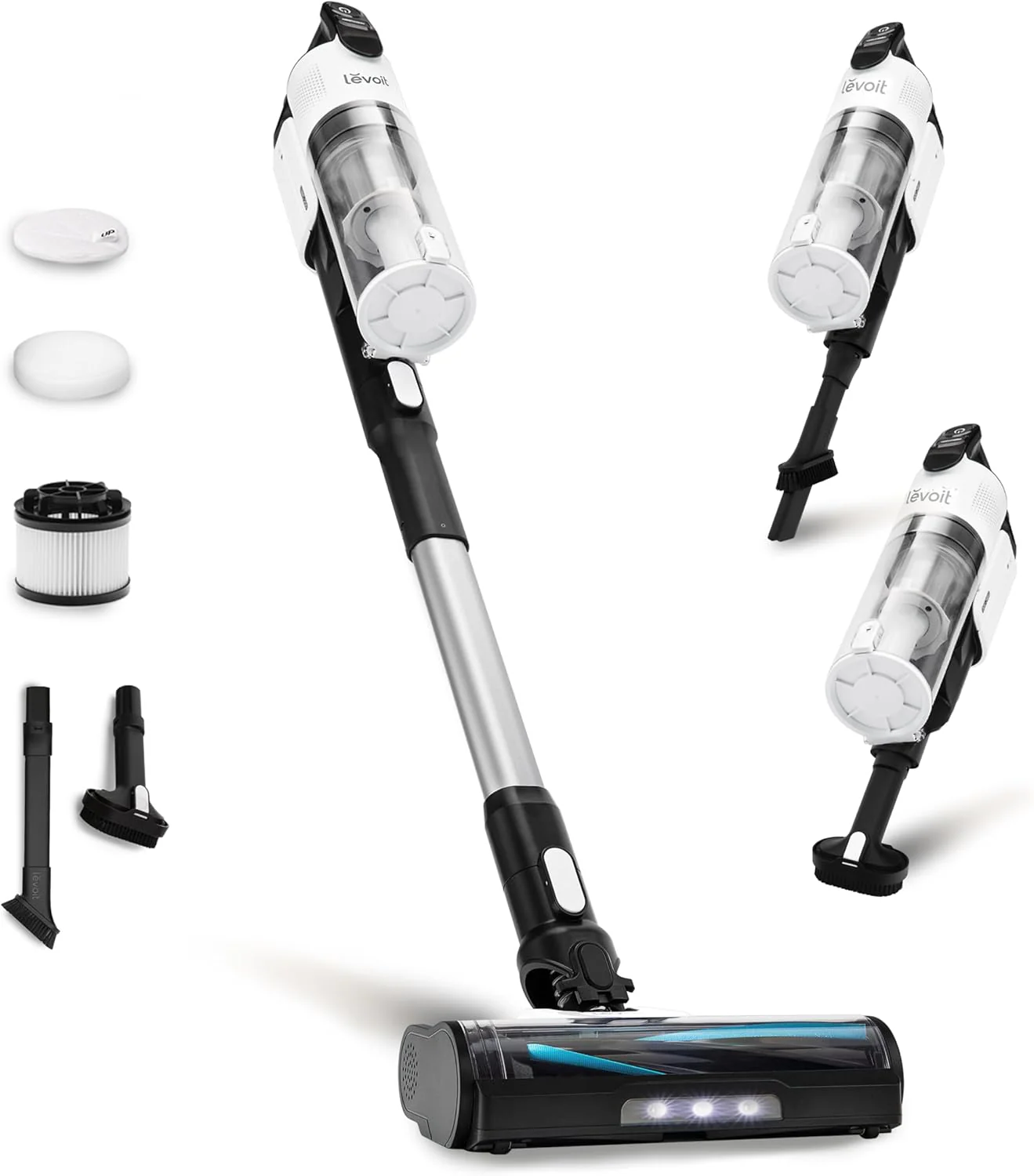
I used to vacuum after my kids went to bed. Seemed efficient – clean while they sleep, wake up to clean floors. Except my vacuum sounded like a jet engine and woke them up constantly.
Three weeks of disrupted bedtimes convinced me to research quiet cordless vacuums. Turns out, most manufacturers don’t prioritize noise reduction. They chase suction power and battery life while ignoring how the screaming motor affects daily use.
Finding genuinely quiet models required way more research than it should have. Decibel ratings help, but the tone and pitch matter as much as raw volume. Some vacuums measure higher decibels but sound less annoying because of frequency differences.
Here’s what actually delivers quiet operation without sacrificing cleaning performance.
Understanding Vacuum Noise
Vacuum noise comes from multiple sources – motor, air turbulence, brush roll, and vibrations. Reducing noise requires addressing all of them, not just insulating the motor.
Decibel measurements provide baseline comparisons. Most cordless vacuums range from 70-85 decibels. Anything below 72 decibels qualifies as relatively quiet for a vacuum.
But decibel ratings don’t tell the whole story. A 75-decibel vacuum with low-frequency hum bothers people less than a 73-decibel model with high-pitched whine.
Frequency matters enormously. High-pitched sounds penetrate walls and carry through houses. Lower frequencies stay more contained to the room you’re cleaning.
My quietest vacuum measures 71 decibels but sounds way quieter than my previous 74-decibel model because the tone is deeper and less shrill.
Motor Design Differences
Brushless motors generally run quieter than traditional brushed motors. They’re more efficient, generate less friction, and produce smoother operation.
My first cordless had a brushed motor that whined constantly. The pitch changed with suction load, creating annoying variations throughout cleaning.
Current brushless models maintain consistent tone regardless of surface. The motor adjusts power smoothly without the hunting sounds that made older vacuums annoying.
Insulation around motors dampens sound transmission. Premium vacuums use sound-absorbing materials around motor housings. Budget models skip this cost-saving step, resulting in louder operation.
Airflow Engineering
Turbulent air creates noise. Well-designed air paths minimize turbulence, reducing the rushing sounds that contribute to overall volume.
Cyclonic separation systems vary in noise generation. Some create smooth airflow patterns. Others force air through tight angles that create whistling and roaring.
My current vacuum uses gradual curves in the air path instead of sharp angles. The result is smoother, quieter airflow even at maximum suction.
Dust bin placement affects acoustics too. Bins mounted away from your ear muffle noise better than bins positioned near the handle.
Brush Roll Impact
Motorized brush rolls add mechanical noise beyond motor sounds. The spinning brush, gears, and belt all contribute to overall volume.
Direct-drive brush rolls connect directly to motors without belts. This eliminates belt slippage sounds and reduces mechanical complexity.
Soft roller designs run quieter on hard floors than traditional bristle brushes. The soft material makes less contact noise against tile and hardwood.
My vacuum has both – a soft roller for hard floors and traditional brush for carpet. Switching to the soft roller drops noise noticeably when cleaning non-carpeted areas.
Models That Actually Run Quiet
Specific models consistently earn praise for quiet operation. I’ve tested several and can confirm the differences are real and noticeable.
One popular brand advertises quiet operation and actually delivers. Their latest models measure around 70-72 decibels and use low-frequency motors that sound less intrusive than louder competitors.
Another manufacturer focuses on premium features including sound dampening. Their vacuums cost more but operate noticeably quieter – you can hold conversations while vacuuming without shouting.
Budget options sacrifice noise control for lower prices. I’ve tested several cheap cordless vacuums and they’re all loud and shrill. The cost savings aren’t worth the auditory assault.
When researching cordless options, prioritize models specifically marketing quiet operation and check owner reviews mentioning noise levels.
Real-World Quiet Performance
I vacuum early mornings before work. My current quiet vacuum lets me clean without waking my family. Previous models would have people yelling at me to stop.
The difference is immediately obvious when you switch from loud to quiet models. My wife noticed the change without me mentioning it – just commented that the new vacuum sounded way better.
Apartment dwellers benefit enormously from quiet vacuums. Thin walls transmit vacuum noise to neighbors. Quieter operation means vacuuming at reasonable hours without disturbing others.
Video calls from home require consideration of background noise. I can vacuum in the next room during my wife’s calls without disrupting her meetings. Previous vacuums made that impossible.
Quiet Versus Suction Trade-offs
Some manufacturers sacrifice suction for quiet operation. Their vacuums run whisper-quiet but can’t pick up debris effectively.
The best quiet vacuums balance both. They use efficient motor designs that deliver strong suction at lower noise levels. This requires better engineering and costs more.
I tested one ultra-quiet model that was genuinely whisper-quiet but couldn’t pick up rice from hard floors. Quiet operation is worthless if cleaning performance suffers.
Look for models that achieve both quiet operation and strong cleaning reviews. They exist but require research beyond marketing claims.
Sound-Related Features
Some vacuums include modes that trade battery life for quieter operation. Eco mode reduces power and noise simultaneously, extending runtime while making less racket.
I use eco mode for quick daily cleaning on hard floors. Maximum power gets saved for weekly deep cleaning on carpet when noise matters less.
Variable suction control lets you match noise to the task. Light dusting doesn’t require screaming maximum power. Lower settings clean adequately while reducing noise significantly.
Testing Before Buying
Store demonstrations help evaluate noise, but they’re usually loud retail environments where you can’t accurately judge vacuum volume.
Return policies let you test at home in quiet environments. Run the vacuum in your bedroom at night and see if it bothers you. That’s the real test.
Owner reviews mentioning specific noise complaints or praise help identify models. Look for consistent patterns across multiple reviews rather than single opinions.
Wrapping This Up
Quiet cordless vacuums exist but require intentional shopping. Most manufacturers prioritize power and battery over noise reduction.
Decibel ratings provide starting points, but frequency and tone matter as much as raw numbers. Test vacuums in person or buy with solid return policies.
Quiet operation enables cleaning at times and in situations where loud vacuums don’t work. Early mornings, late evenings, apartments, and homes with light sleepers all benefit from reduced noise.

