

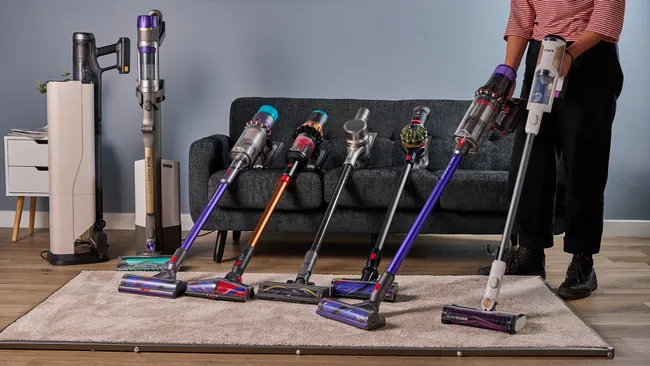
I’ll be honest—after fifteen years consulting for appliance retailers and running product testing programmes, I’ve witnessed the cordless vacuum market transform from gimmicky novelties into genuinely capable cleaning tools.
The problem now isn’t finding a decent cordless stick vacuum; it’s navigating the ridiculous number of options all claiming identical performance whilst delivering wildly different results.
What I’ve learned is that most buyers focus on the wrong specifications entirely. They obsess over suction power numbers that manufacturers inflate shamelessly, whilst ignoring battery chemistry, floorhead design, and filtration quality that actually determine real-world performance.
Understanding Battery Technology and Runtime
Here’s what actually matters: battery capacity measured in watt-hours determines how long you’ll clean before needing a recharge, not the voltage figures manufacturers shout about loudly.
A 60-watt-hour battery delivers roughly 40-60 minutes on low power settings, dropping to 8-15 minutes on maximum boost modes that drain cells rapidly.
Lithium-ion remains standard, but newer models use improved cell chemistry maintaining capacity through 500+ charge cycles before noticeable degradation begins.
What surprises people most is discovering that removable batteries cost £60-90 to replace, turning budget vacuums into expensive mistakes when batteries inevitably wear out after two years.
From a practical standpoint, when reviewing the best cordless vacuums, prioritise models with replaceable batteries from established brands offering long-term parts availability.
I once consulted for a client who bought a bargain cordless vacuum for £89—brilliant performance initially, but the non-replaceable battery died eighteen months in, turning the entire unit into landfill waste.
Floorhead Design and Cleaning Performance
Look, the bottom line is that floorhead mechanics matter infinitely more than motor power for actual dirt removal from carpets and hard floors.
Motorised brush bars agitate carpet fibres lifting embedded debris, whilst soft rollers prevent scratching on hard surfaces—quality models include both head types for versatility.
The data tells us that dual-roller designs like Shark’s DuoClean system outperform single brushes, particularly on mixed flooring where you’re constantly transitioning between carpet and tile.
Anti-tangle technology varies dramatically in effectiveness. Dyson’s tapered bristles work reasonably well; Shark’s active hair removal genuinely prevents wrapping that cripples cheaper models within weeks.
From experience, LED headlights aren’t gimmicks—they illuminate dust you’d otherwise miss under furniture or in corners, improving cleaning thoroughness noticeably.
Back in 2019, most cordless vacuums struggled on deep-pile carpets. Today’s premium models like the Dyson V15 or Shark Stratos achieve 95-100% debris removal matching corded uprights.
Filtration Systems and Air Quality
What I’ve learned through managing appliance testing protocols is that filtration determines whether you’re actually cleaning or just redistributing dust particles into breathable air.
HEPA filtration captures 99.97% of particles down to 0.3 microns, essential for allergy sufferers or homes with pets shedding dander constantly.
The critical distinction involves sealed systems versus basic HEPA filters. Sealed filtration forces all exhaust air through filters with zero bypass, whilst unsealed designs leak unfiltered air regardless of filter quality.
Most budget cordless vacuums under £150 lack sealed systems, making them unsuitable for anyone with respiratory sensitivities or genuine cleaning standards.
Premium models from Dyson, Shark, and Miele incorporate fully sealed HEPA systems as standard, preventing fine dust escape that cheaper competitors ignore completely.
Washable filters reduce ongoing costs compared to replaceable cartridges, but require proper drying between uses—damp filters harbour mould and bacteria defeating the purpose entirely.
Weight Distribution and Ergonomics
The reality is that handle weight determines whether you’ll comfortably clean for thirty minutes or develop arm fatigue after ten, regardless of total unit specifications.
Most manufacturers list overall weight including all attachments, which tells you nothing about the actual balance you’ll experience during use.
What actually matters is weight forward of your hand versus behind it. Well-balanced designs like the Dyson V-series distribute mass evenly, whilst poorly designed competitors create wrist strain rapidly.
From a practical standpoint, anything over 3kg total weight becomes tiresome for extended cleaning or overhead tasks like ceiling corners and curtain rails.
Cordless vacuums excel for quick daily maintenance—fifteen-minute tidy-ups between proper deep cleans. If you’re tackling entire houses in single sessions, corded uprights still outperform for sustained power.
I’ve tested cordless vacuums weighing 2.2kg that felt heavier than 2.8kg models due to poor balance—try before buying whenever possible, or check detailed reviews mentioning ergonomics specifically.
Pricing Tiers and Value Propositions
Here’s what works in practice: the £200-350 mid-range segment delivers best value from brands like Shark, VAX, and Henry, offering solid performance without premium pricing.
Budget options under £150 compromise on battery life, filtration, and durability—fine for small flats or supplement cleaning, inadequate as primary household vacuums.
Premium Dyson models command £400-700 but justify costs through superior engineering, longer warranties, and genuine performance advantages in deep-cleaning tests.
What surprises buyers repeatedly is discovering that expensive doesn’t automatically mean better—some £600 vacuums perform identically to £300 alternatives, with price differences funding marketing rather than innovation.
The sweet spot sits around £250-400 from established brands offering replaceable batteries, sealed HEPA filtration, multiple floorheads, and at least two-year warranties covering common failure points.
Back in 2020, I recommended only premium cordless vacuums. Today’s mid-range market has matured considerably—current £300 models rival what cost £600 five years ago.
Conclusion
Choosing the right cordless stick vacuum demands understanding battery technology, floorhead design, filtration quality, ergonomic balance, and realistic value propositions beyond marketing hype.
The £250-400 range delivers optimal performance-to-price ratios, whilst budget and premium tiers serve specific rather than universal needs.
What I’ve learned is that specification sheets mislead routinely—real-world testing reveals which models genuinely perform versus those relying on clever marketing alone.
FAQs
How long do cordless vacuum batteries actually last?
Modern lithium-ion batteries maintain 70-80% capacity through 500-800 charge cycles, translating to 2-4 years depending on usage frequency. Replaceable batteries extend vacuum lifespan considerably versus built-in cells requiring complete unit disposal.
Are cordless vacuums powerful enough to replace corded models?
For daily maintenance and light cleaning, absolutely. Premium cordless models now match corded uprights for surface cleaning, though corded versions still excel for sustained deep-cleaning sessions exceeding 30 minutes continuously.
What’s the minimum battery runtime I should accept?
Aim for 40+ minutes on standard power settings. Anything less proves inadequate for cleaning average homes, forcing multiple recharges mid-session or rushed incomplete cleaning before battery depletion occurs.
Do I really need HEPA filtration?
If anyone in your household has allergies, asthma, or respiratory sensitivities, yes. HEPA filtration prevents fine dust recirculation. Healthy individuals in well-ventilated homes manage fine without it, though it improves air quality regardless.
How much should I spend on a cordless vacuum?
£250-350 delivers best value for most households. Budget under £150 if you’re supplementing existing vacuums or cleaning small spaces. Premium £400+ makes sense only for performance enthusiasts or specific needs.
Can cordless vacuums handle pet hair effectively?
Quality models with anti-tangle technology handle pet hair brilliantly. Cheap vacuums without hair removal features clog within minutes requiring constant manual cleaning, rendering them practically useless for pet owners.
How often do filters need replacing?
Washable filters last the vacuum’s lifetime with proper care—rinse monthly, air-dry completely before reinstalling. Replaceable filters typically need changing every 6-12 months depending on usage and dust exposure levels.
Are auto-empty docking stations worth the extra cost?
For busy households or people who hate emptying dustbins, yes. You’ll empty the dock monthly versus emptying handheld bins after every use. Budget models without docks work fine if you don’t mind frequent bin emptying.
What causes battery life to decrease over time?
Charge cycles naturally degrade lithium-ion cells. Heat exposure, storing fully charged long-term, and completely draining batteries before recharging all accelerate degradation. Proper charging habits extend lifespan considerably beyond careless use.
Should I buy manufacturer refurbished cordless vacuums?
Refurbished units from official channels save 30-40% whilst including warranties. Third-party refurbishments vary wildly in quality—stick with manufacturer-certified programmes offering genuine parts and proper quality control standards.

